
New Report: 30 Years of Military Housing Privatization Offers Roadmap for Future Infrastructure Partnerships
"MHPI at 30" examines $32 billion in private investment, lessons learned and opportunities to address emerging military infrastructure needs.
TAMPA, Fla. (Oct. 28, 2026) – Thirty years after Congress established the Military Housing Privatization Initiative (MHPI), a new thought leadership report examines how public-private partnerships transformed military housing, attracted billions in private capital while offering lessons for addressing the next generation of military infrastructure opportunities.
The report, “Military Housing Privatization Initiative (MHPI) at 30: What the Public-Private Partnership Model Got Right, What It Didn't, and How It Continues to Evolve,” was sponsored by Corvias and the Association of Defense Communities (ADC) and is being released at ADC's Installation Innovation Forum, October 26–28 in Tampa, Florida.
Drawing on interviews with senior government, military and industry leaders, the report offers perspectives on MHPI's accomplishments, lessons learned and opportunities for the future. Featured interviewees include Jordan Gillis, assistant secretary of the Army for installations, energy and environment, and Lt. Gen. (Ret.) Omar Jones, adviser to the Military Housing Association.
Key Findings:
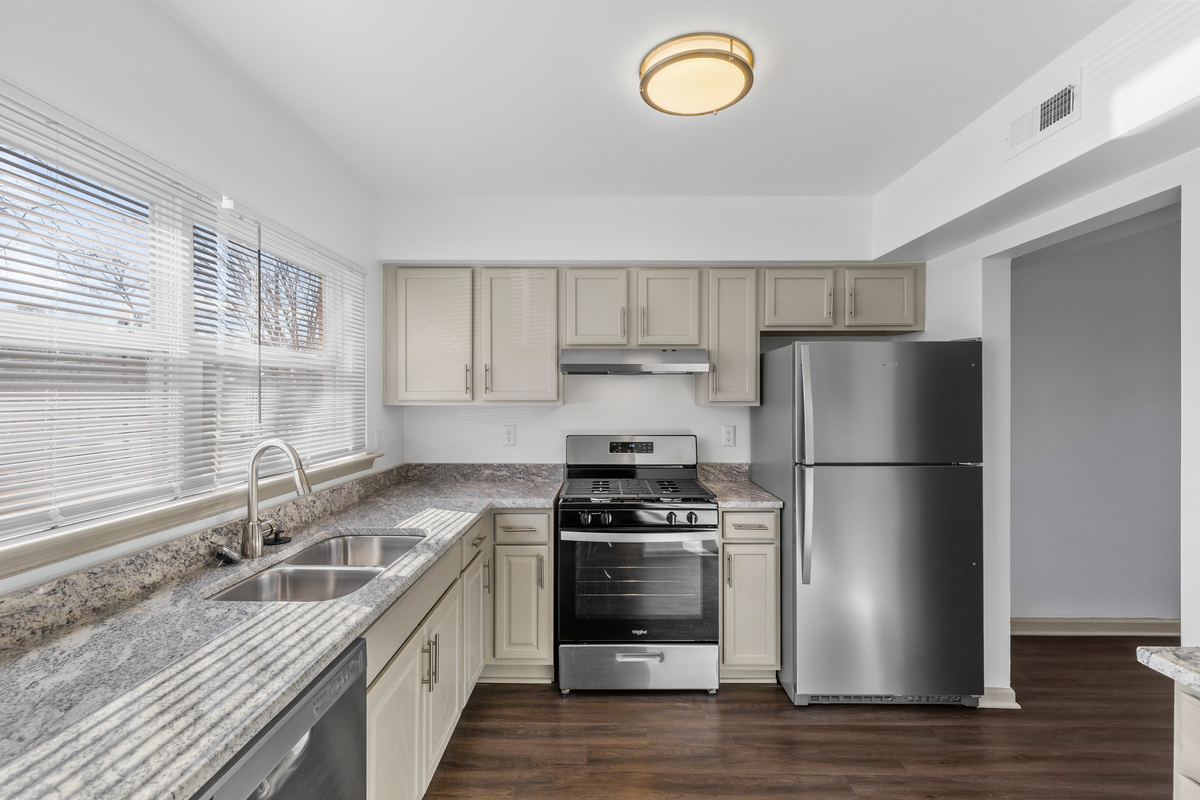
Corvias has invested more than $6.6 billion in cumulative investment, benefiting more than 20,000 homes at seven installations. Pictured: Fort Meade JNCO home. - Significant return on public investment: Approximately $4 billion in government investment has leveraged more than $32 billion in private development.
- Transformation of military housing: MHPI has helped renovate or replace nearly 142,000 substandard military homes nationwide
- Benefits beyond housing: Public-private partnerships have created opportunities to modernize energy systems, strengthen installation resilience, and improve military communities.
- Lessons for the future: Challenges involving resident experience and government oversight have informed reforms, while opportunities for continued innovation include barracks, energy resilience, housing modernization, and resident wellbeing.
"MHPI's success is about more than the number of homes built or dollars invested. It's about what those investments have made possible for military families, installations, and communities," said Denise Hauck, president of Corvias Military. "For 30 years, private-sector partnerships have brought capital, expertise and dedicated professionals to military housing while creating opportunities to continuously reinvest in the places our service members call home."
Thirty Years of Private Investment Delivering Public Value
When Congress established MHPI in 1996, years of underfunded maintenance and upkeep had left approximately 180,000 military homes in substandard condition, with the government facing a $20 billion maintenance backlog. The initiative introduced a fundamentally different approach: leveraging private capital, professional property management and long-term partnerships to address military housing needs at a scale and pace that traditional appropriations alone could not support.
Thirty years later, MHPI supports more than 200,000 privatized military homes nationwide and has delivered lasting improvements to military communities, including tens of thousands of newly constructed and renovated homes, neighborhood amenities and shared spaces that contribute to military family quality of life.
Corvias Demonstrates the Long-Term Value of Partnership
With over 25 years of experience supporting military housing, Corvias and its Army partners have demonstrated how the MHPI framework can generate continued investment well beyond initial construction.
Across its Army housing portfolio, Corvias and its Army partners have supported approximately $6.6 billion in cumulative investment, including $2.3 billion in reinvestment, benefiting more than 20,000 homes at seven installations. Recent efforts include approximately $610 million in housing modernization investments completed for 2025–2026, benefiting more than 16,000 homes through renovations, roofing, infrastructure improvements and other upgrades.
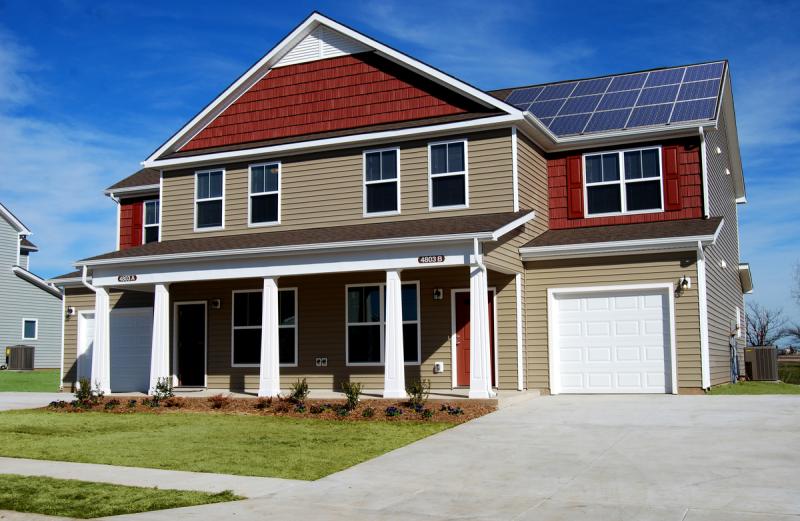
The report also explores how public-private partnerships have created opportunities to modernize energy systems, strengthen installation resilience, and reduce demands on military infrastructure. Corvias has advanced similar capabilities through approximately $500 million in energy upgrades across its military portfolio, including more than 51 megawatts of solar generation capacity at multiple Army installations.
"One of the most important lessons from MHPI is that private investment can deliver value far beyond the original housing requirement," said Maj. Gen. (Ret.) Tim McGuire, executive vice president of military partnerships at Corvias. "These partnerships have supported community development, infrastructure modernization and energy resilience while allowing military commanders to focus on their operational missions. That experience offers important lessons as the Department considers future infrastructure needs."
Applying 30 Years of Lessons to the Next Mission
The report recognizes that MHPI's evolution has also included challenges, particularly those involving resident experience, government oversight and accountability. Subsequent reforms strengthened resident protections, inspections, performance monitoring, and the shared responsibilities of military departments and housing partners.
Looking forward, the report identifies four priorities for continued innovation: barracks and unaccompanied housing, energy and infrastructure resilience, modernization of aging housing assets, and resident wellbeing.
The report also emphasizes that the future of military housing cannot be considered solely within installation boundaries. With most military families living in surrounding communities, housing availability, affordability, schools, infrastructure and local services remain closely connected to military readiness.
As a sponsor of ADC, Corvias supports the organization's role in bringing together military, government, community and industry leaders to address these interconnected challenges.
Read the full report: https://defensecommunities.org/mhpi-at-30/

About Corvias
Corvias partners with the Department of War and higher education institutions to solve infrastructure and energy resiliency challenges and create long-term, sustainable value through its Solutions Through Partnerships® approach. With more than 25 years of military housing experience, Corvias supports military communities through housing development, modernization, property operations and innovative infrastructure investments. Learn more at Corvias.com.
About the Association of Defense Communities
The Association of Defense Communities (ADC) builds resilient communities that support America's military. ADC connects leaders from communities, states, the military and industry to strengthen installation-community partnerships through knowledge sharing, collaboration and best practices. Learn more at DefenseCommunities.org.
###